HAIKU
Domenica Regazzoni19th October – 7th November 2024
opening Saturday 19th October 2024, h 5.30 pm
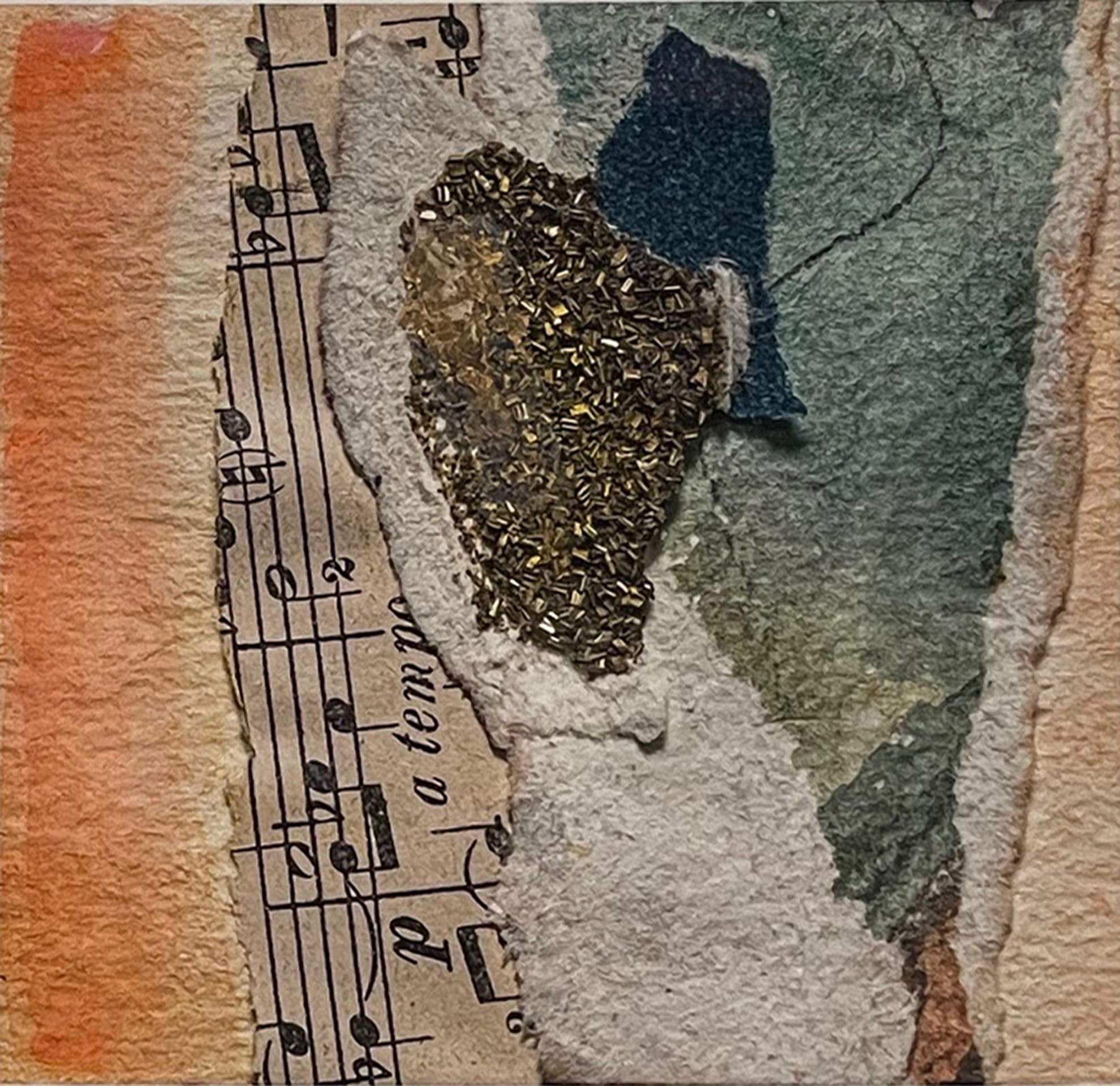
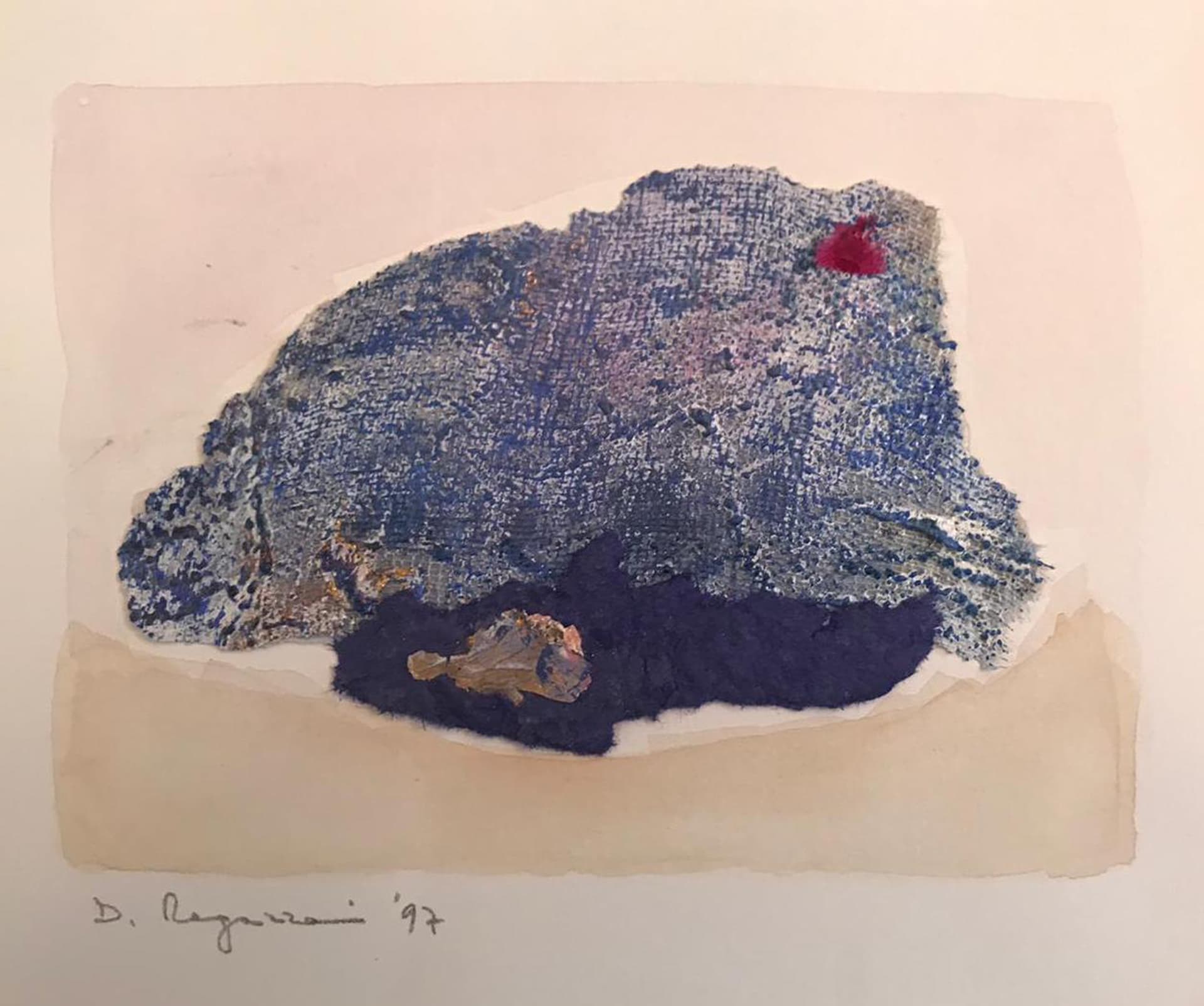
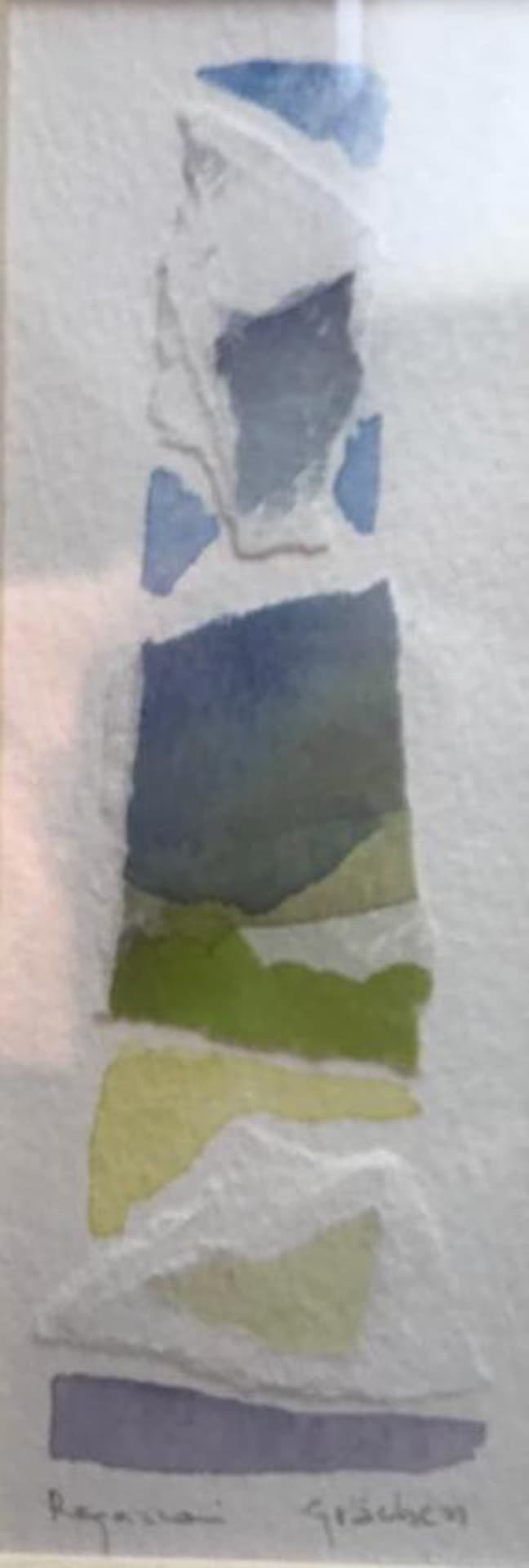
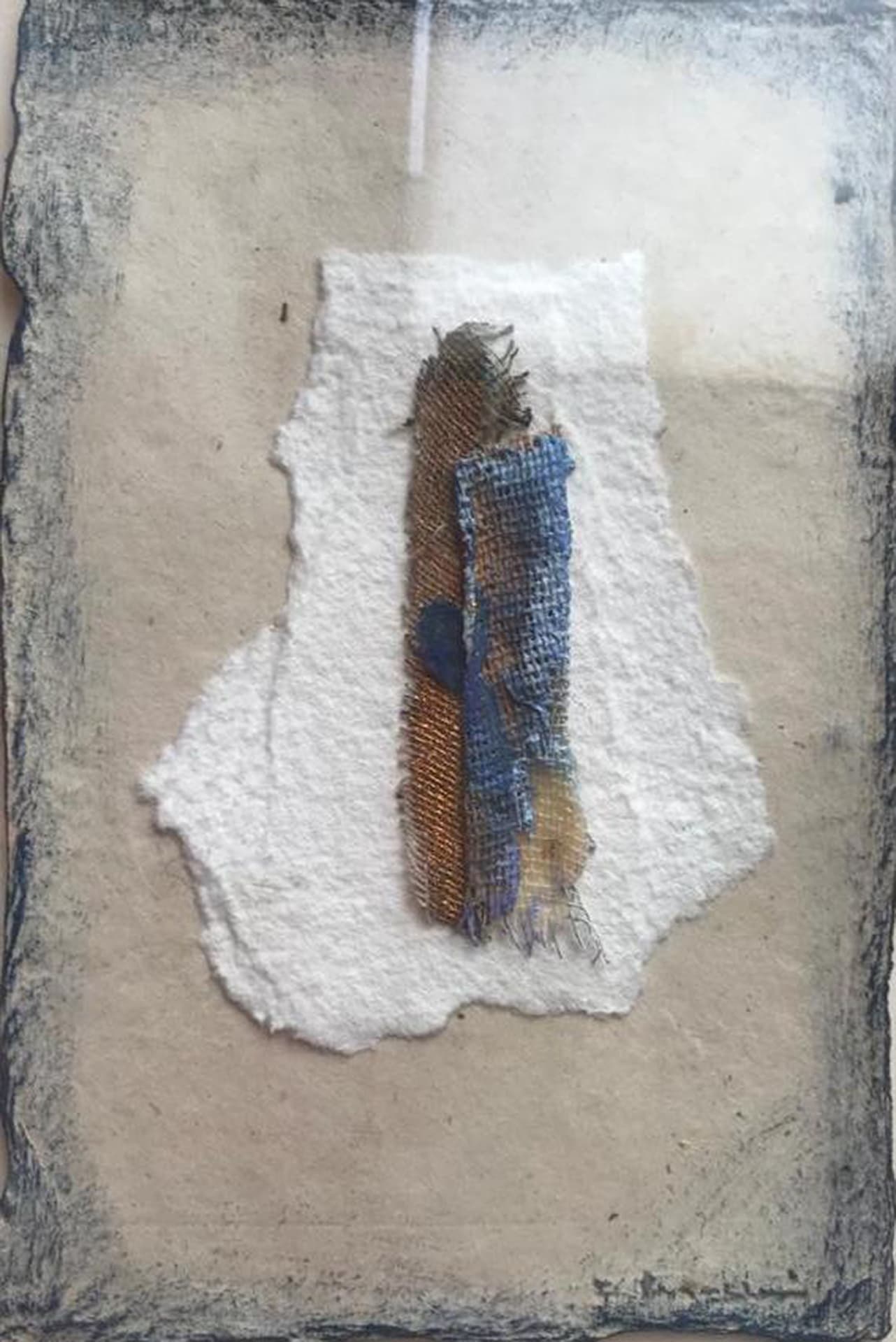
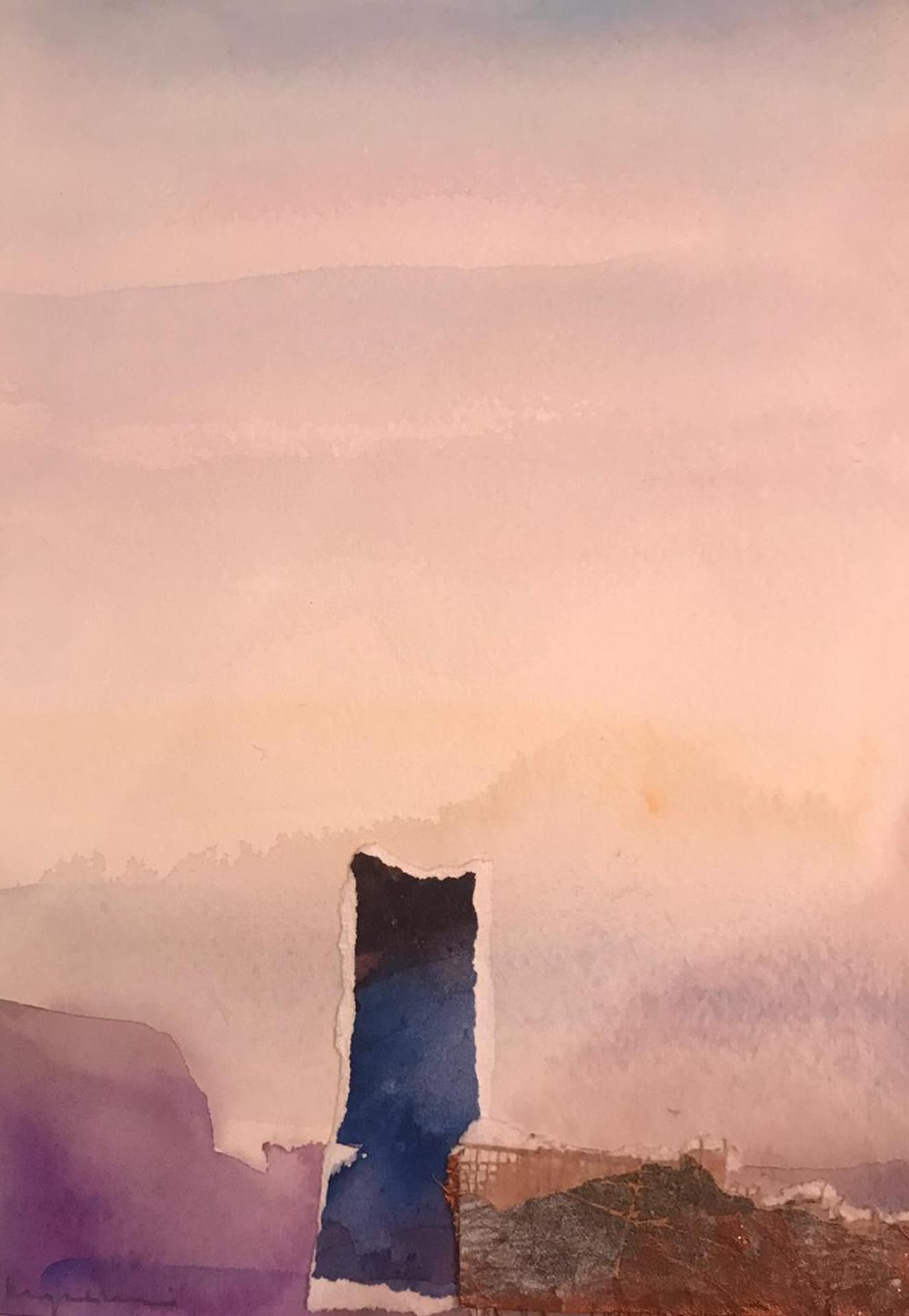
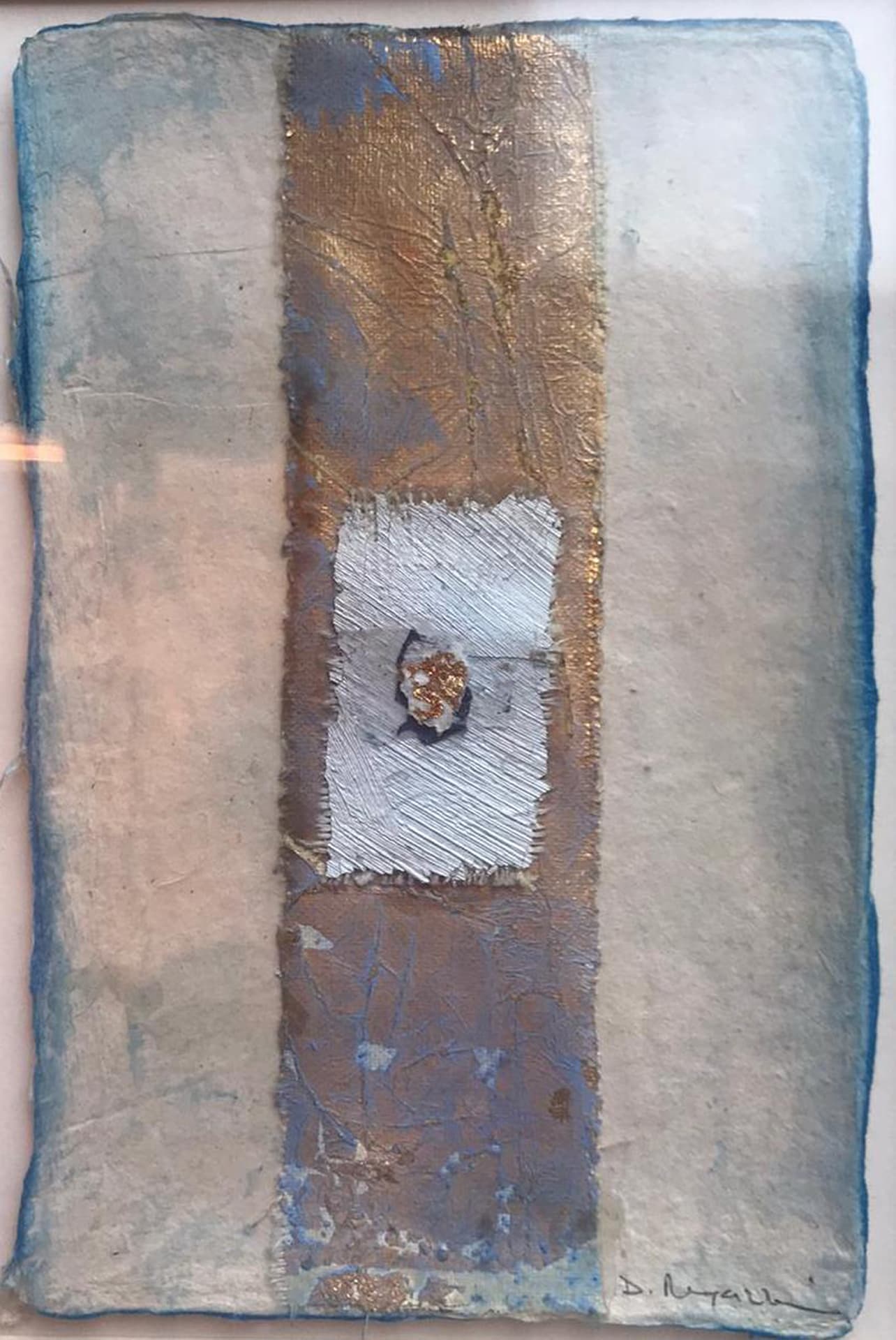
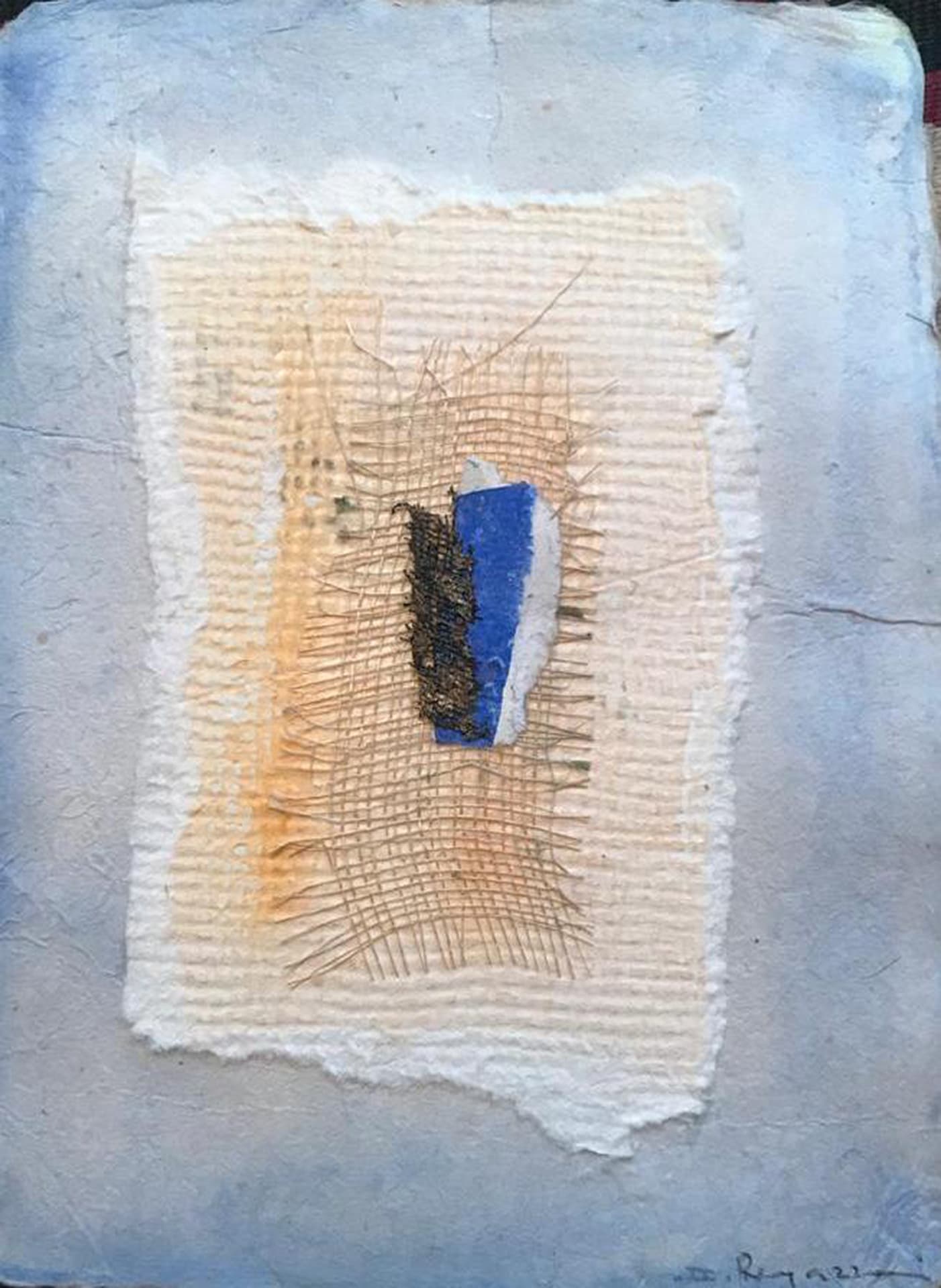
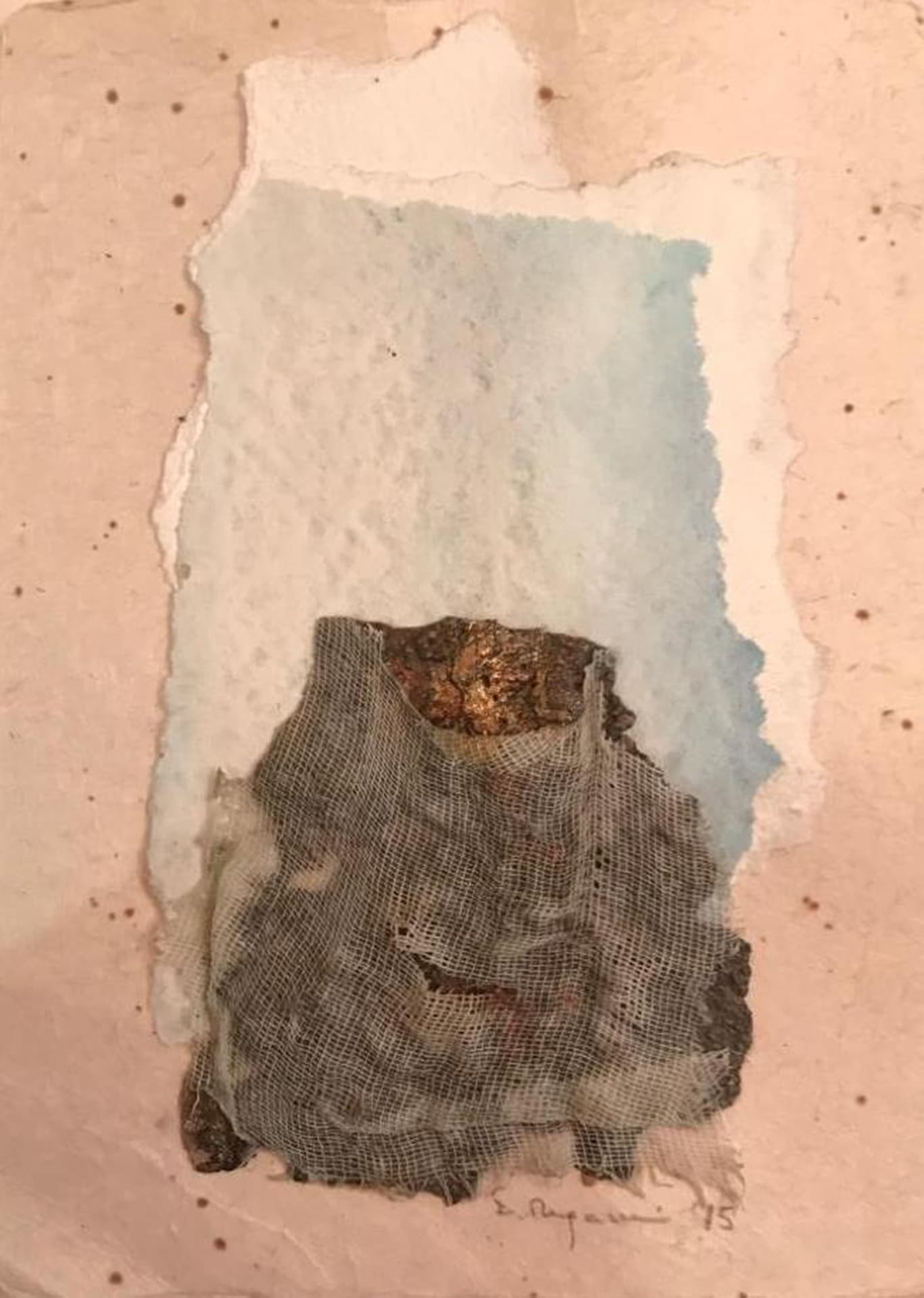
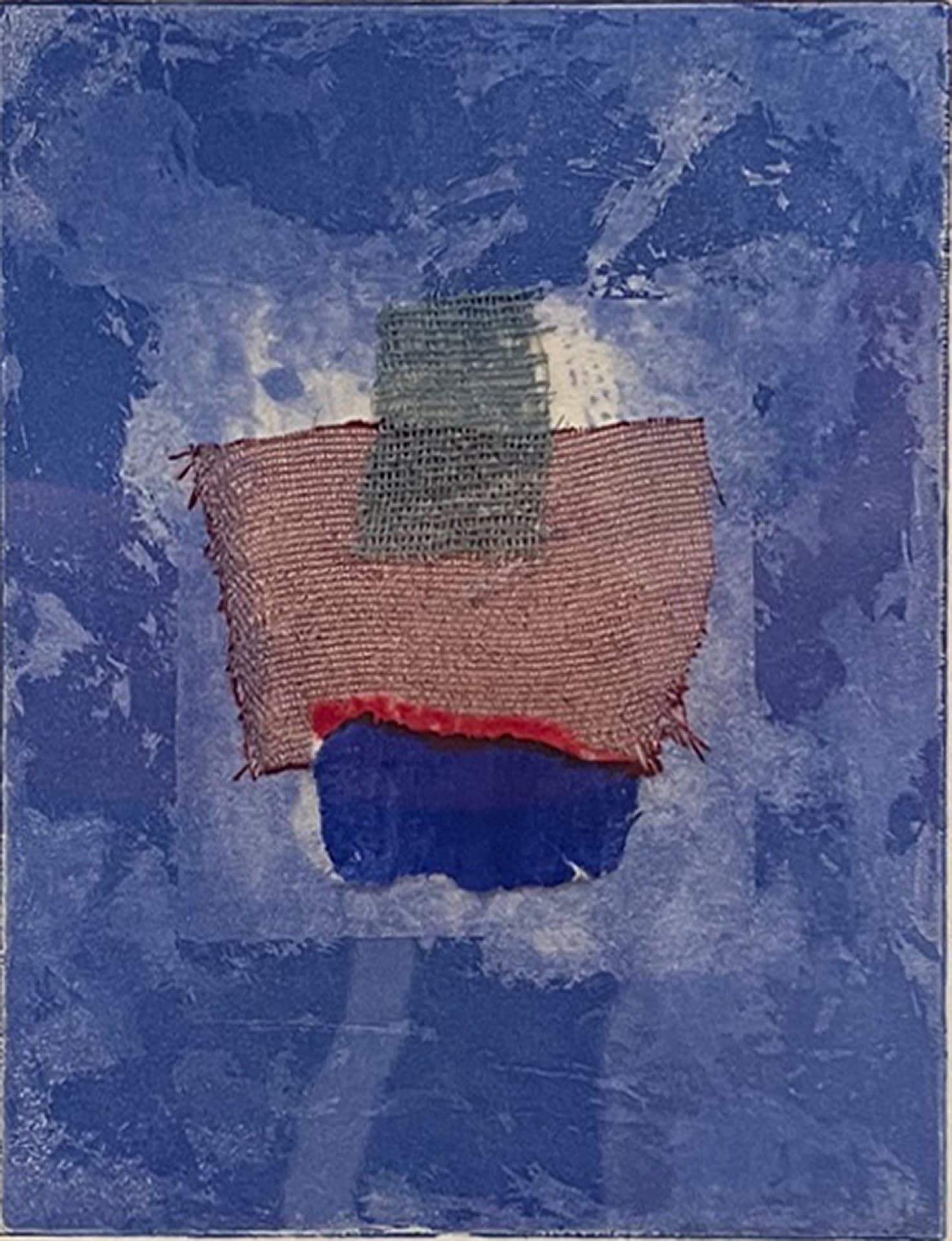
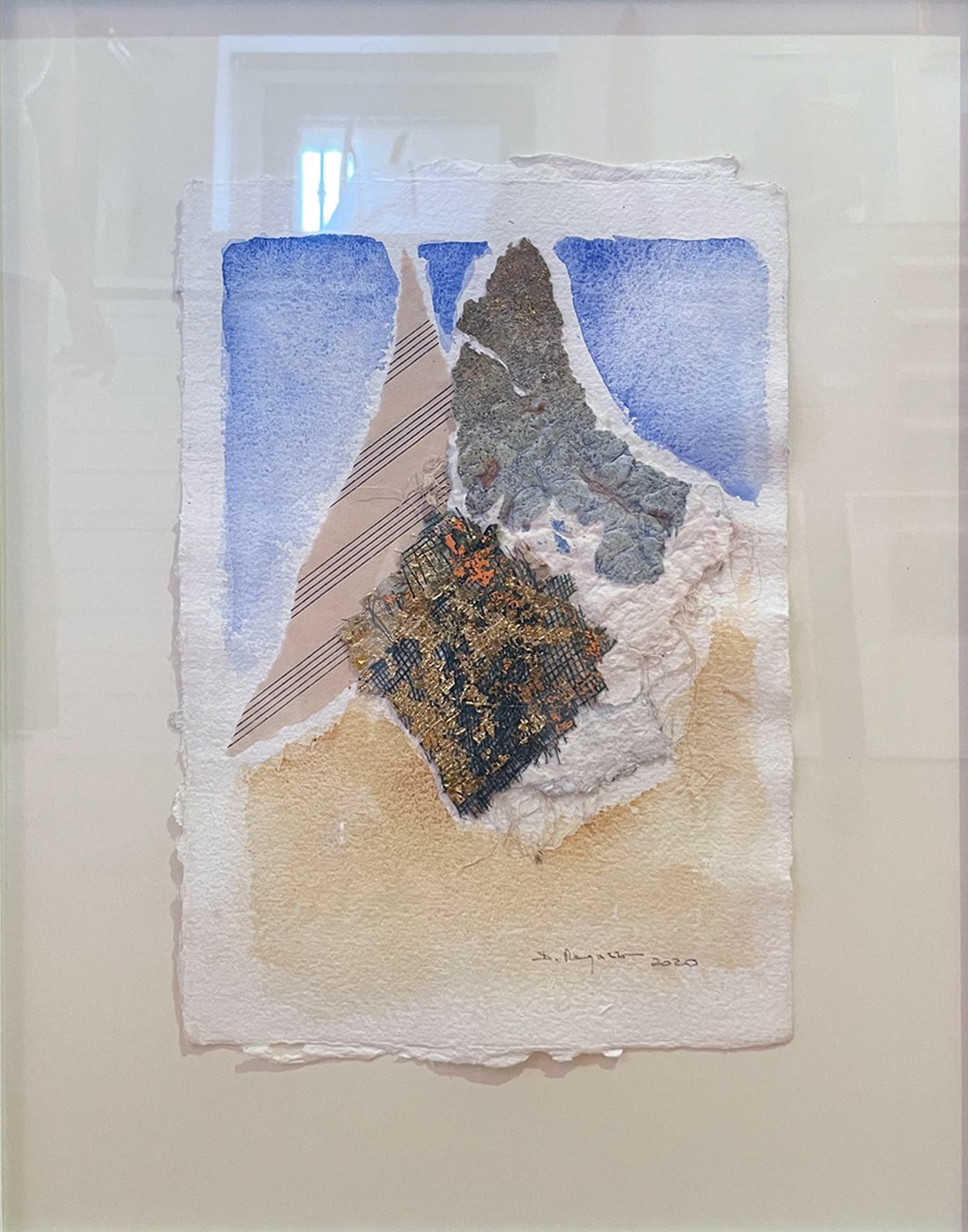
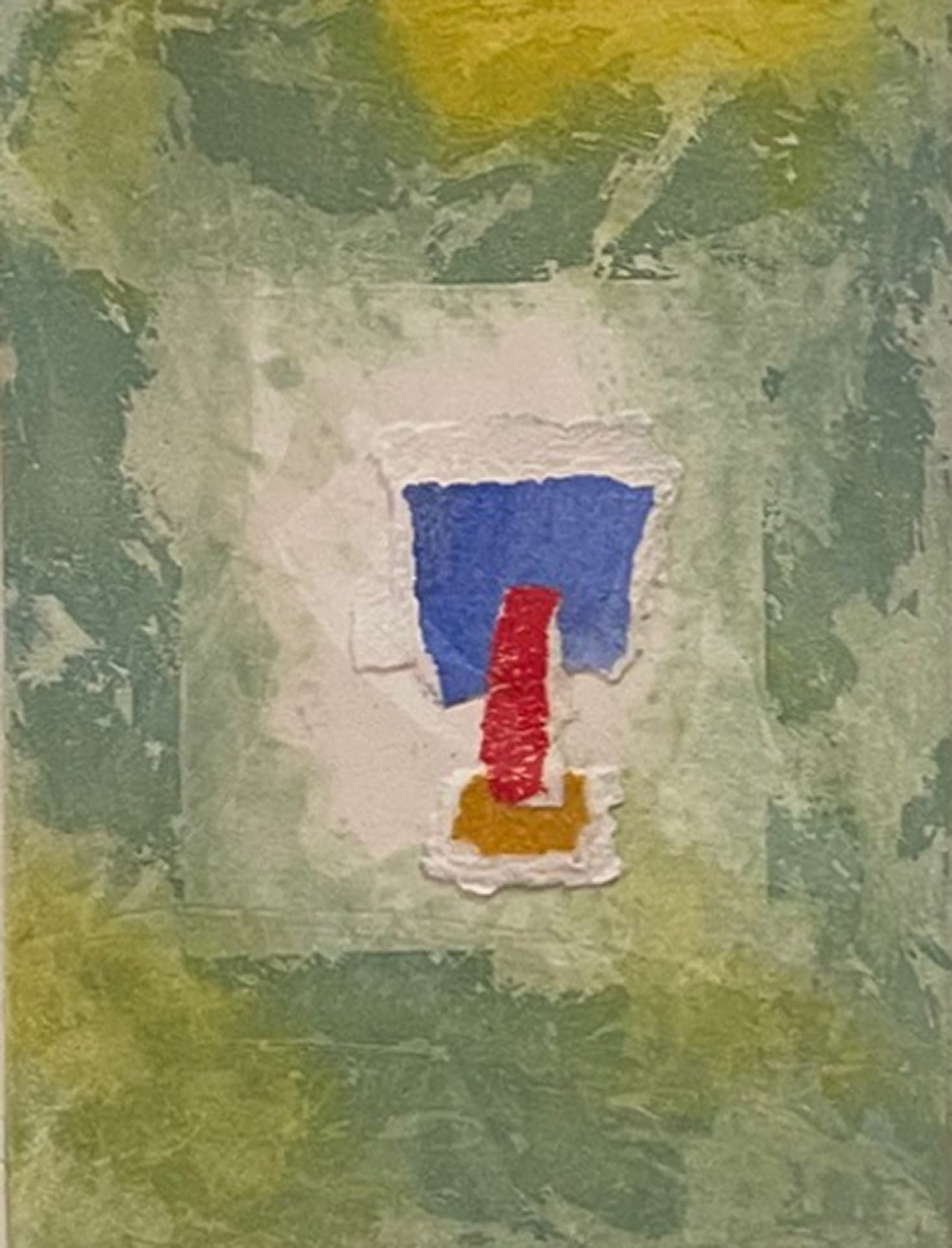
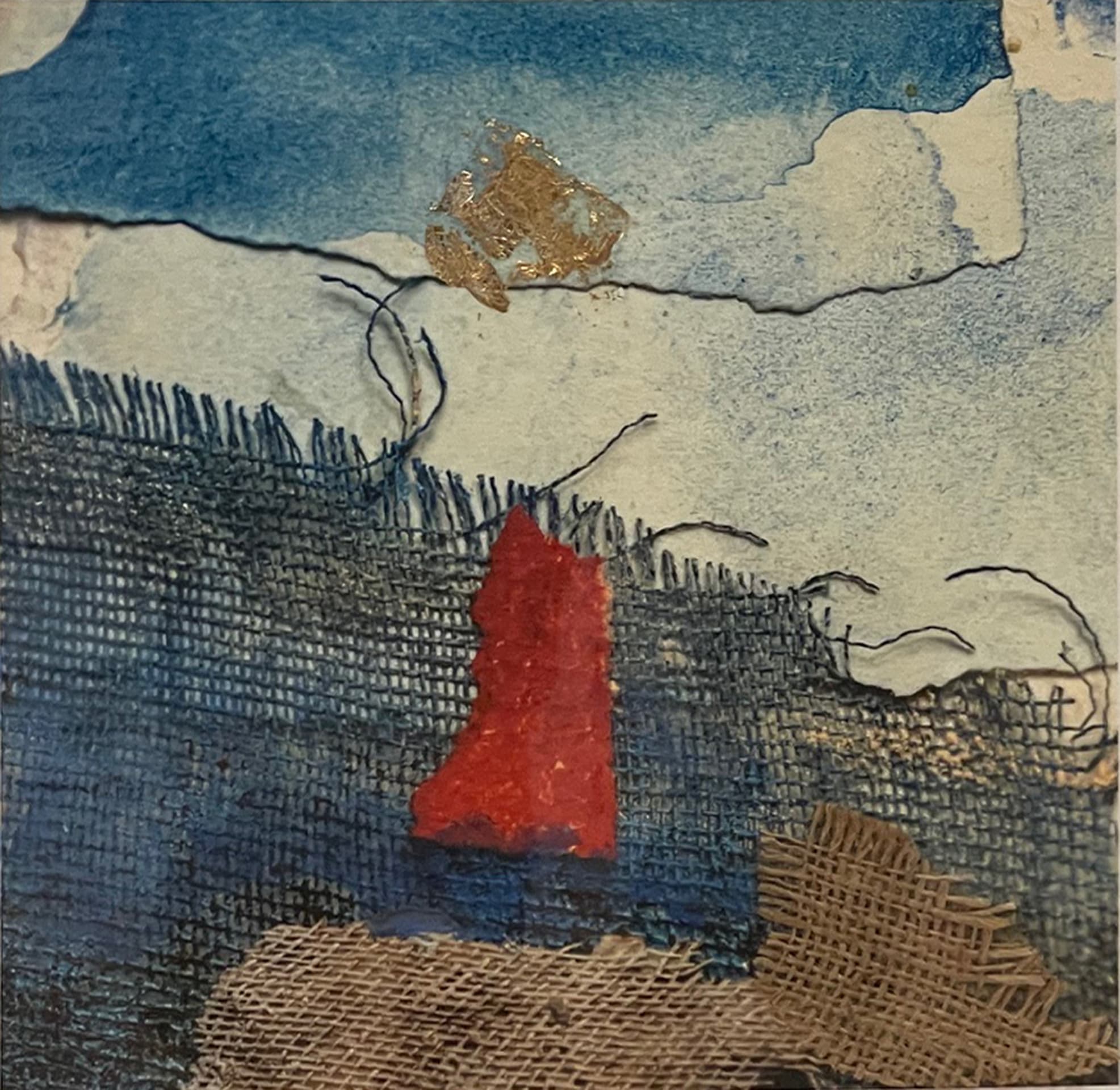
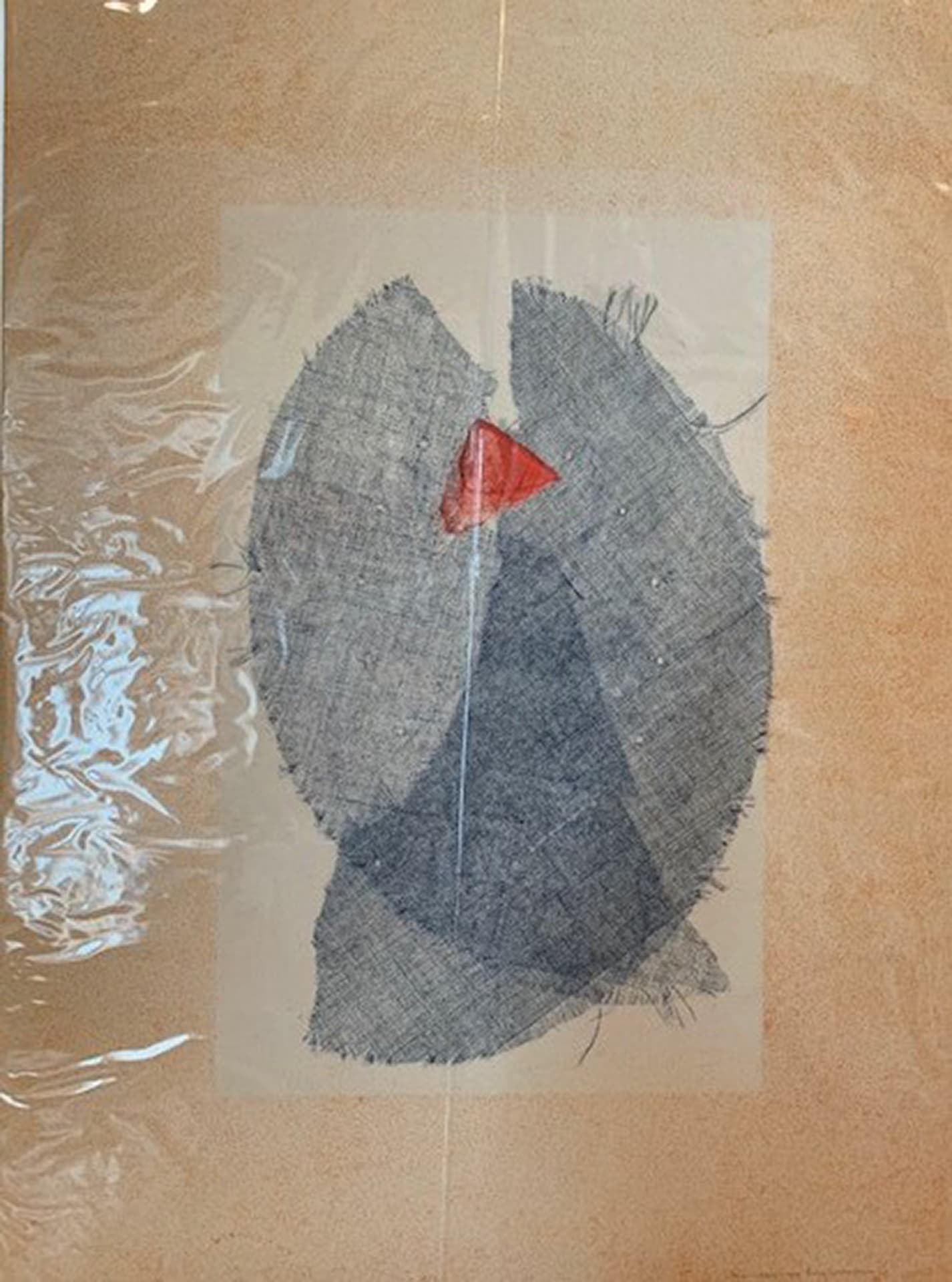
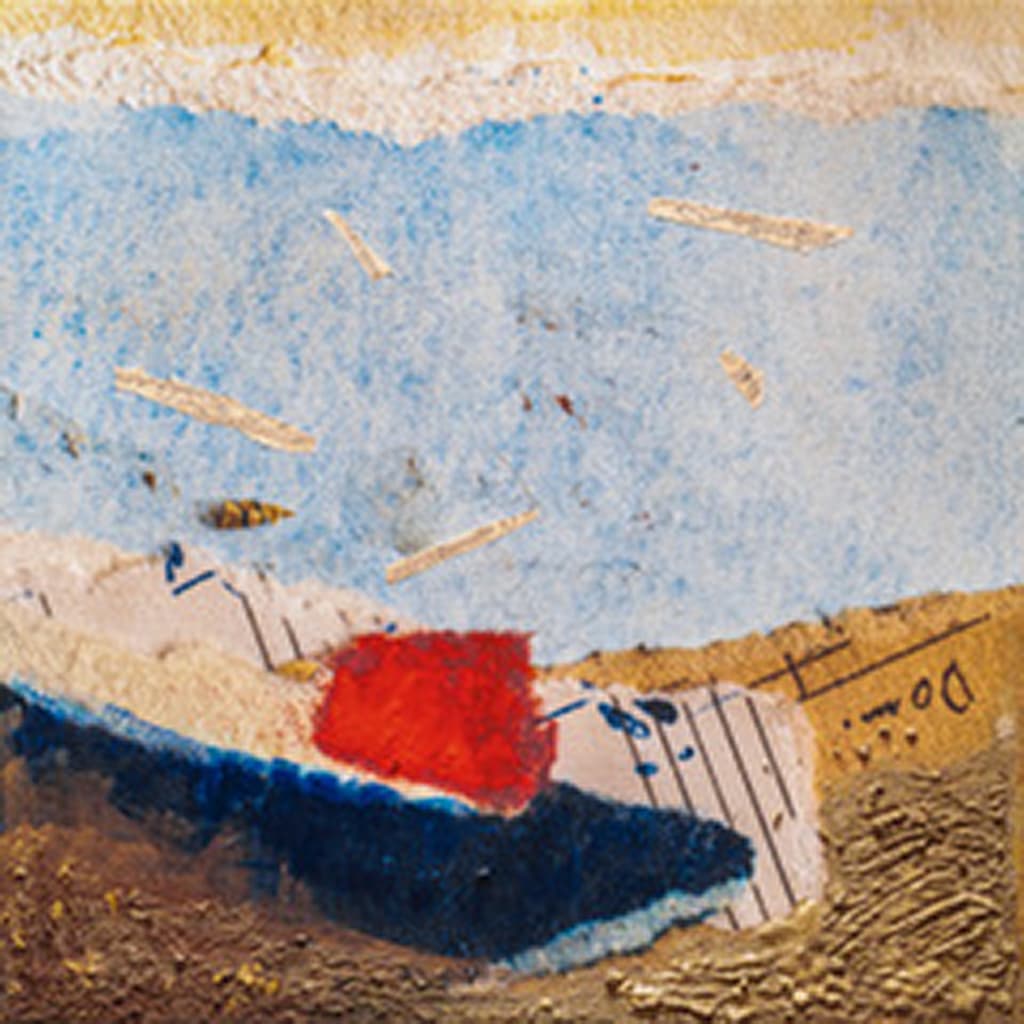
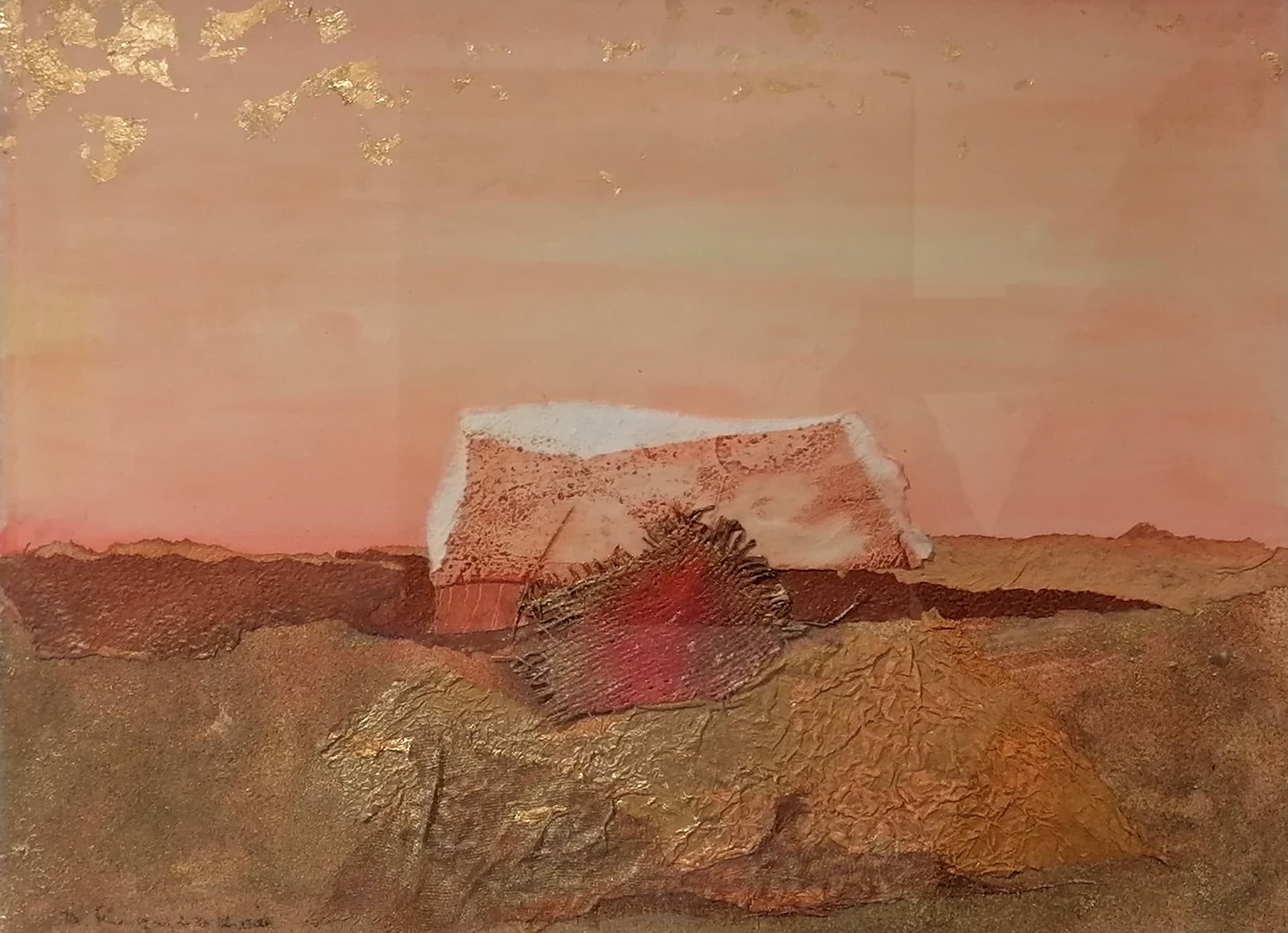
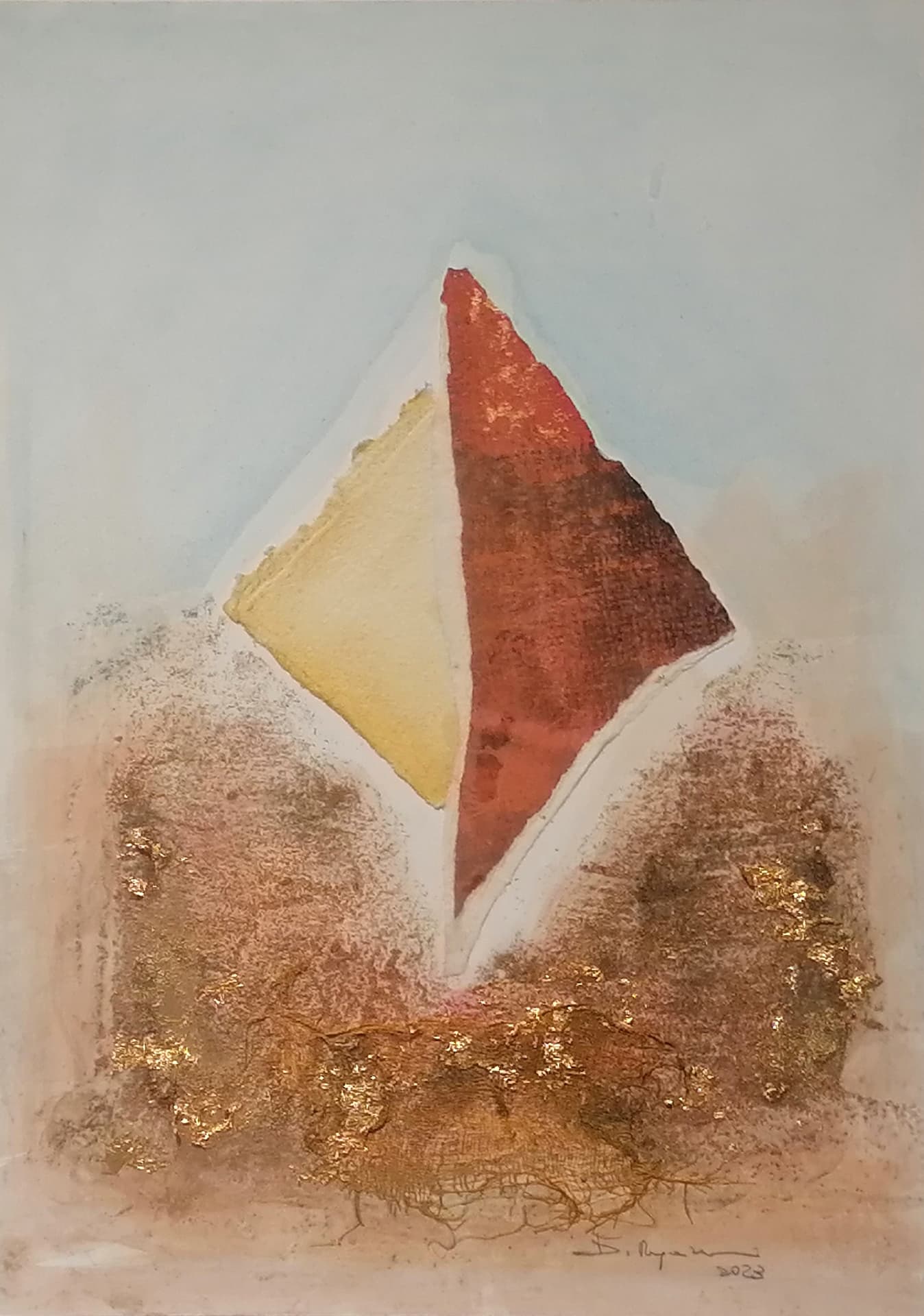
Taking inspiration from the famous Haiku a very short Japanese compositions, Domenica Regazzoni elaborates multi-material collages created between the end of the Nineties and 2020, in which the impalpable sense of nature and time are summarized, narrating the world of nature and states of mind that arise from it.
“The haiku is a handful of words and colors in which what is said doesn’t matter so much – explains the artist – as what isn’t said, what lies behind. These short Japanese poems helped me collect the fragments of my work and recompose them into new emotions.”
Reworking and manual skills elements that characterize the artist’s global art which ranges from painting to sculpture to poetry, being inspired by the music, words and colors that come to life on her small and delicate creations.
Presentation of the exhibition by Paola Facchina.
For the occasion, the new monographic book by Domenica Regazzoni published by Allemandi and curated by Luca Beatrice will be presented.
DOMENICA REGAZZONI
Domenica Regazzoni began her career in the Seventies including figuration and abstraction, painting and sculpture.
Her work is aimed at enhancing the elective affinities between different artistic expressions starting from a personal and family DNA that sees the common thread in music: her father Dante was one of the greatest luthiers of the twentieth century.
The exhibitions, born from partnerships with Mogol and Lucio Dalla, or inspired by the art of violin making or Haiku poetry, traveled mainly to China and Japan.
Among the numerous publications, the collection of poems by Antonia Pozzi, Canto Segreto, for the series dedicated to the golden fish by Vanni Scheiwiller, 1992, ColoreIncanto, Gribaudo, 1996, Regazzoni & Dalla, Galleria Blu, Milan 1998, Haiku, Viennepierre , 2000, From wood to sound edited by Gillo Dorfles, SKIRA, 2003, Sculpting music edited by Martina Corgnati, SKIRA, 2008, Convergenze parallele, edited by Ivan Quaroni, Allemandi 2015, Haiku edited by Silvia Evangelisti, Silvana Editorial, 2021.